Why Quality Plumbing Repairs Matter
Some plumbing issues start small but become costly if ignored. A loose connection or minor leak might not seem dangerous, but over time, they can lead to:
- Water damage
- Mold growth
- Higher utility bills
- Pipe corrosion
- Structural issues
Professional
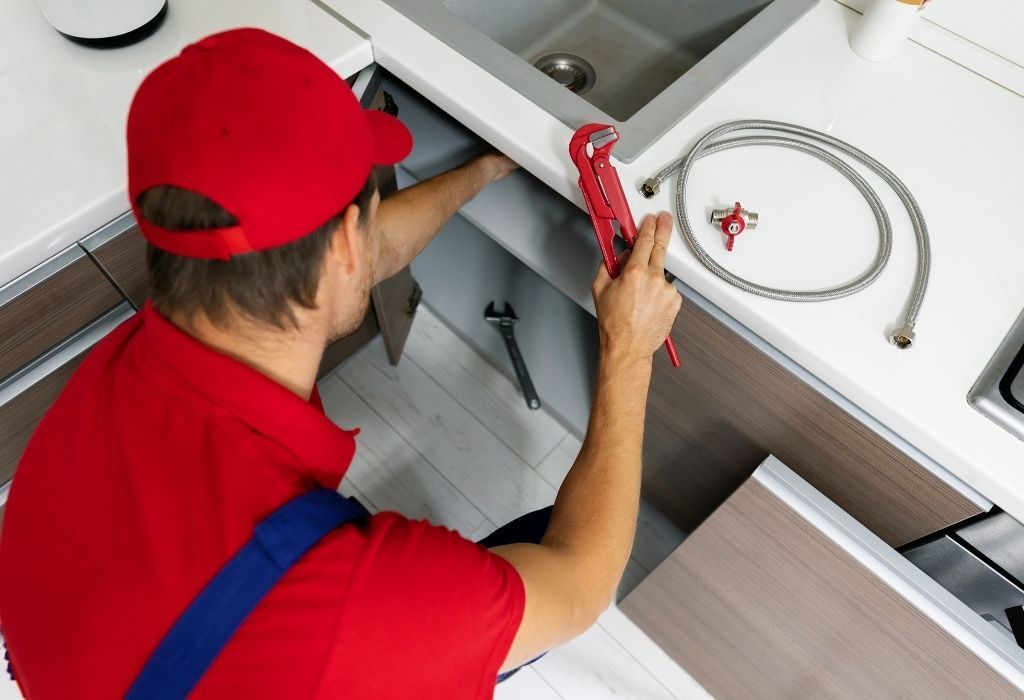
plumbing repairs ensure problems are fixed at the source—not just patched temporarily. Skilled plumbers use proper tools, accurate diagnostics, and safe repair methods to make sure the problem doesn’t return.
Common Plumbing Repairs Homeowners Deal With
Every home will eventually need plumbing work. Here are the issues plumbers are called for most often:
Leaky Pipes and Fixtures
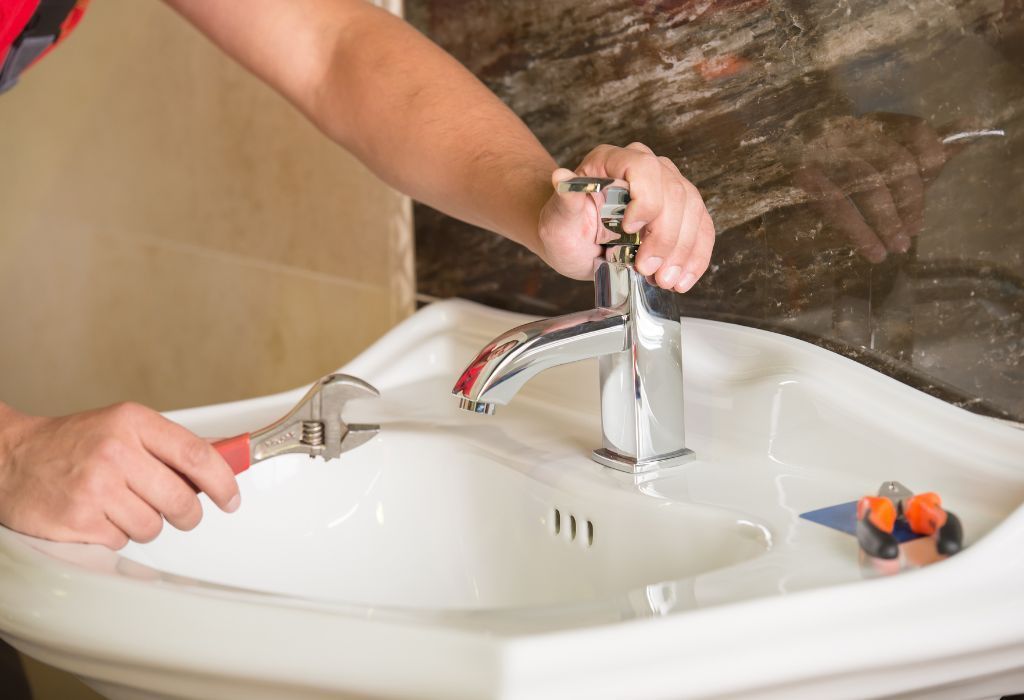
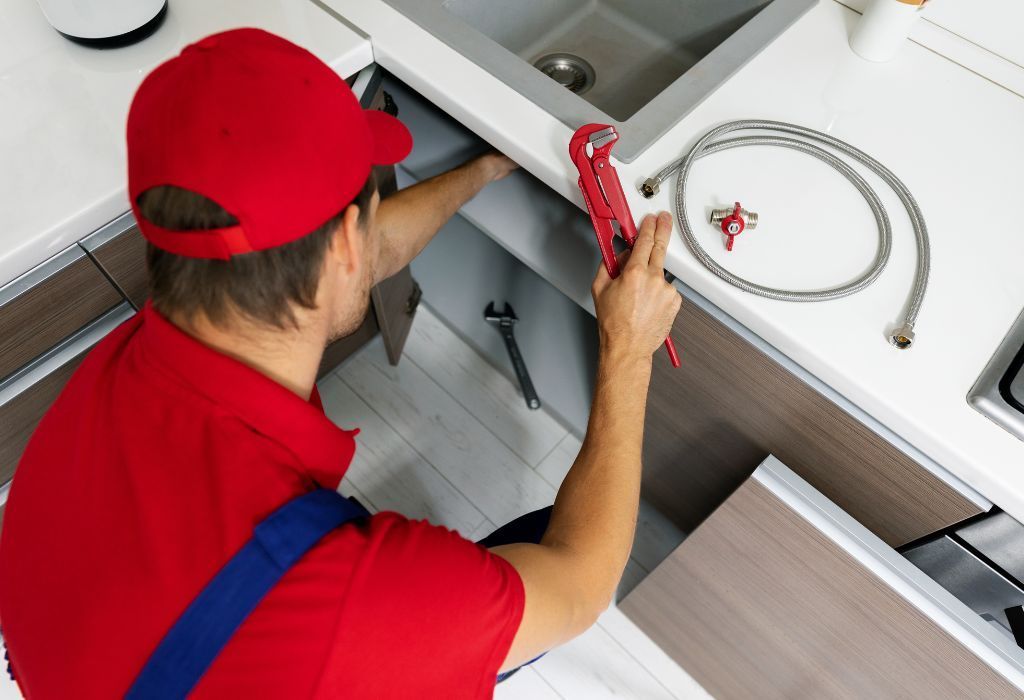
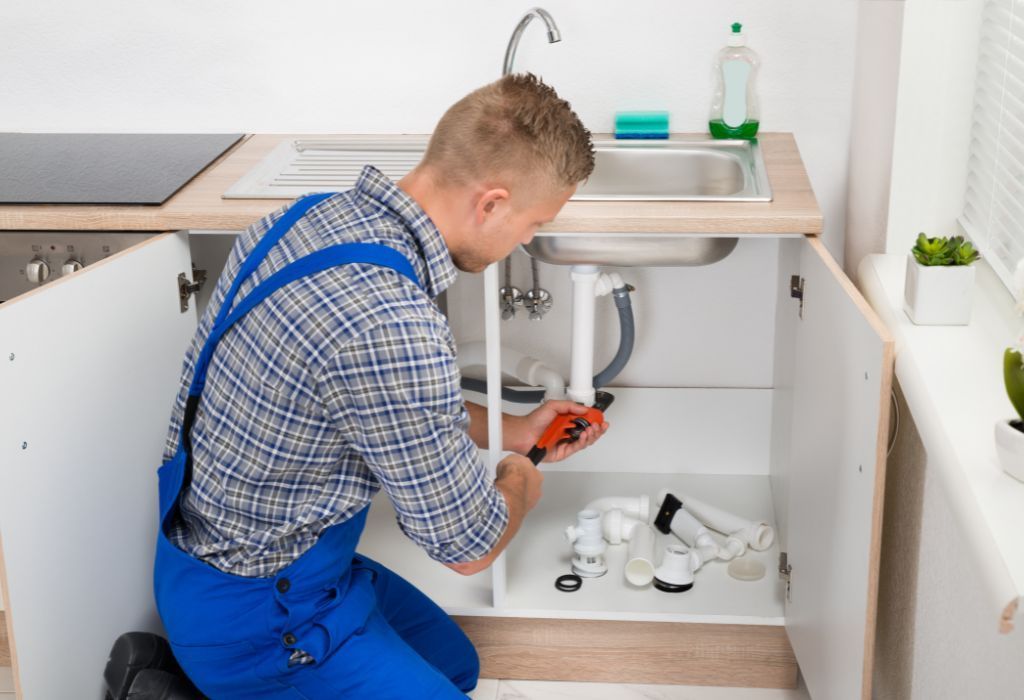
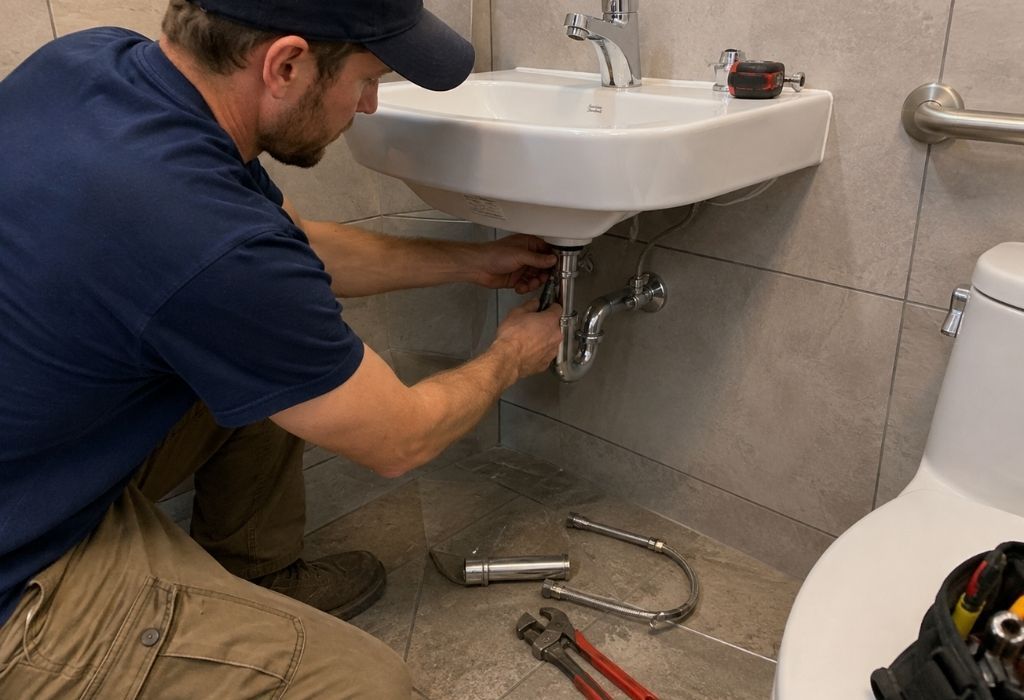
Leaks commonly occur under sinks, behind walls, or around toilets and faucets. Even slow drips can waste hundreds of gallons of water each month. Repairs often involve tightening connections, replacing worn parts, or sealing damaged pipe sections.
Clogged Drains
Soap scum, hair, grease, and food debris frequently clog drains. While store-bought chemicals may offer temporary relief, they can harm your pipes over time. Professional drain cleaning clears clogs safely and prevents future blockages.
Running or Weak Toilets
A continually running toilet wastes water, while a weak flush indicates internal issues. Repairs may include replacing fill valves, flappers, or adjusting water levels.
Water Heater Issues
No hot water? Strange noises? Leaking tank? These signs point to heater problems that require inspection. Sometimes a repair helps; other times, replacement is the safer and more efficient option.
Low Water Pressure
Low pressure often signals mineral buildup, pipe leaks, or blockages. A plumber can determine the cause and restore strong, consistent flow.
When Repairs Aren’t Enough: The Case for New Installations
Some plumbing problems can’t be fixed with simple repairs—especially when fixtures or pipes have reached the end of their lifespan.
Here are situations where
new plumbing installation becomes the better choice:
Old or Deteriorating Pipes
Homes with galvanized steel or aging PVC often require repiping. Old pipes corrode, leak, and restrict water flow.
Frequent Breakdowns
If the same fixture breaks repeatedly, replacement can save money long-term.
Home Renovations
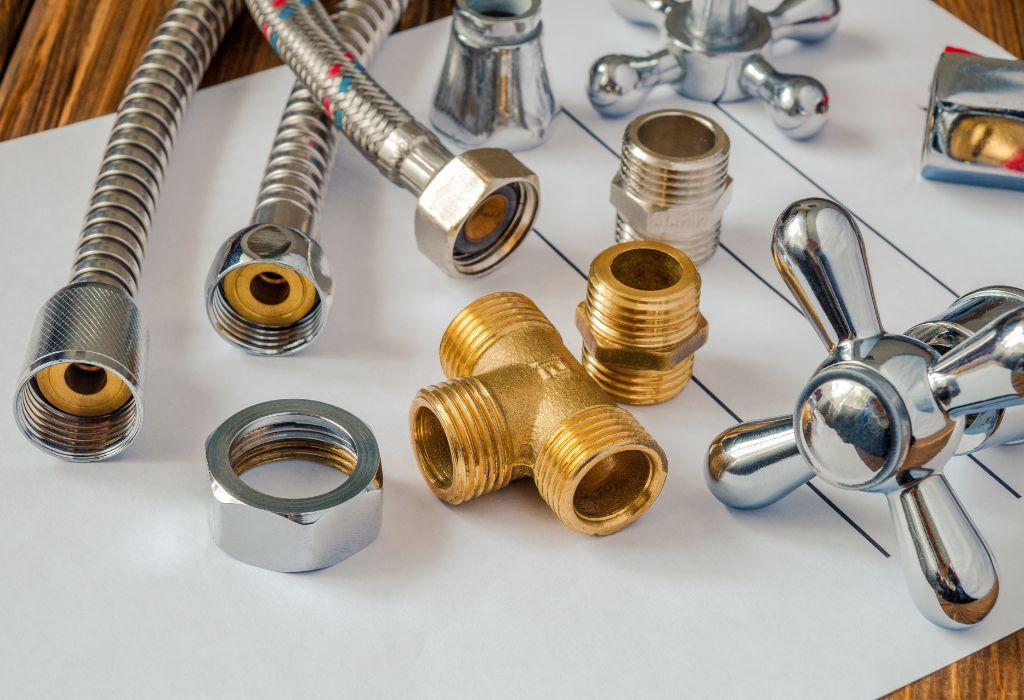
Kitchen and bathroom remodels usually involve installing new sinks, faucets, bathtubs, and water lines.
Outdated or Inefficient Appliances
Water heaters, dishwashers, and garbage disposals that use too much energy or water should be replaced with modern, more efficient systems.
Major Leaks or Structural Damage
If pipes are cracked, collapsed, or severely damaged, a new installation is necessary to prevent further problems.
Types of Plumbing Installations Professionals Handle
Modern homes rely on a variety of water-related systems. Plumbers regularly install:
- Faucets and sinks
- Toilets
- Showers and tubs
- Water heaters
- Water softeners and filtration systems
- Dishwashers
- Garbage disposals
- Washing machine hookups
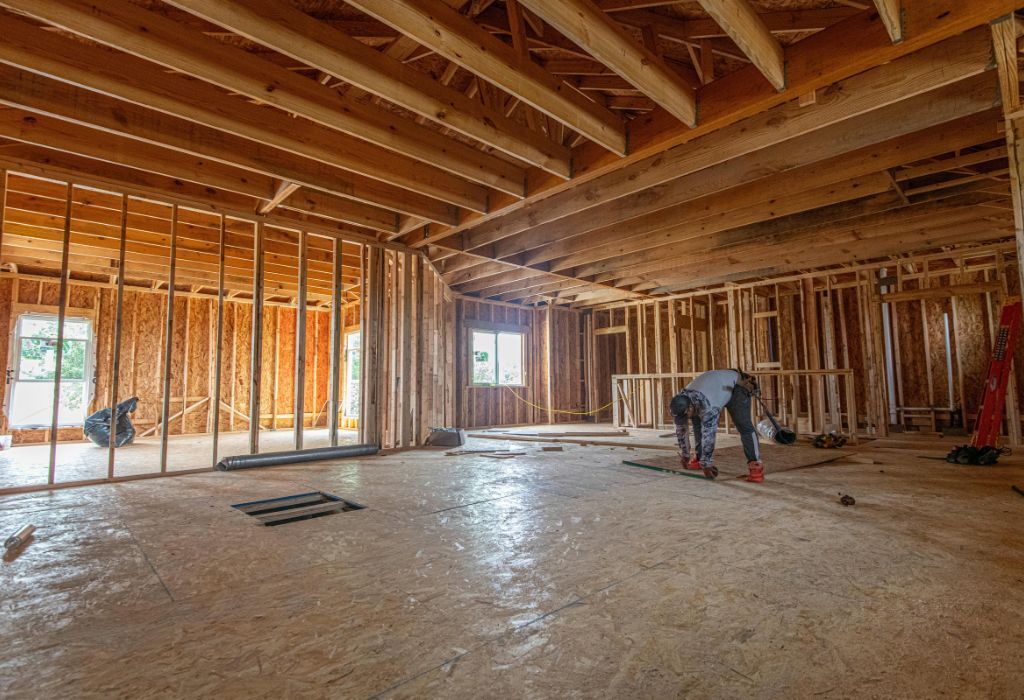
- New plumbing lines for additions or remodels
Proper installation ensures these fixtures run efficiently, last longer, and remain safe for everyday use.
How Quality Work Protects Your Home
Investing in professional
Plumbing Repairs and Installation offers more than convenience. It provides lasting protection for your biggest asset—your home.
1. Prevents Water Damage
Water moves quietly through your home. Even small leaks can cause major damage if not fixed correctly.
2. Improves Efficiency and Lowers Bills
Proper installations reduce water waste and improve appliance performance.
3. Extends the Life of Your Plumbing System
Quality repairs and installations reduce the strain on your pipes and fixtures.
4. Helps Maintain Healthy Water Quality
Replacing old pipes or faulty water heaters prevents rust, sediment, and contamination.
5. Increases Property Value
Updated plumbing systems appeal to buyers and improve long-term property resilience.
Signs You Should Call a Plumber Now
If you notice any of the following, it’s time to schedule an inspection:
- Unusual sounds coming from pipes
- Water stains on ceilings or walls
- Sewer smells indoors
- Slow drains throughout the home
- Fluctuating water temperature
- Rust-colored or cloudy water
- Sudden spikes in water bills
These issues rarely fix themselves and typically worsen over time.
Final Thoughts
Your plumbing system is one of the most important—and most overlooked—parts of your home. Whether you need something
fixed,
replaced, or
improved, choosing expert
Plumbing Repairs and Installation is the best way to keep everything running smoothly.
High-quality work prevents costly damage, boosts efficiency, and ensures your home stays comfortable and functional for years to come.
For inquiries, you can call us at
(208) 716-8901 or
fill out our contact form and we will get back to you as soon as possible.